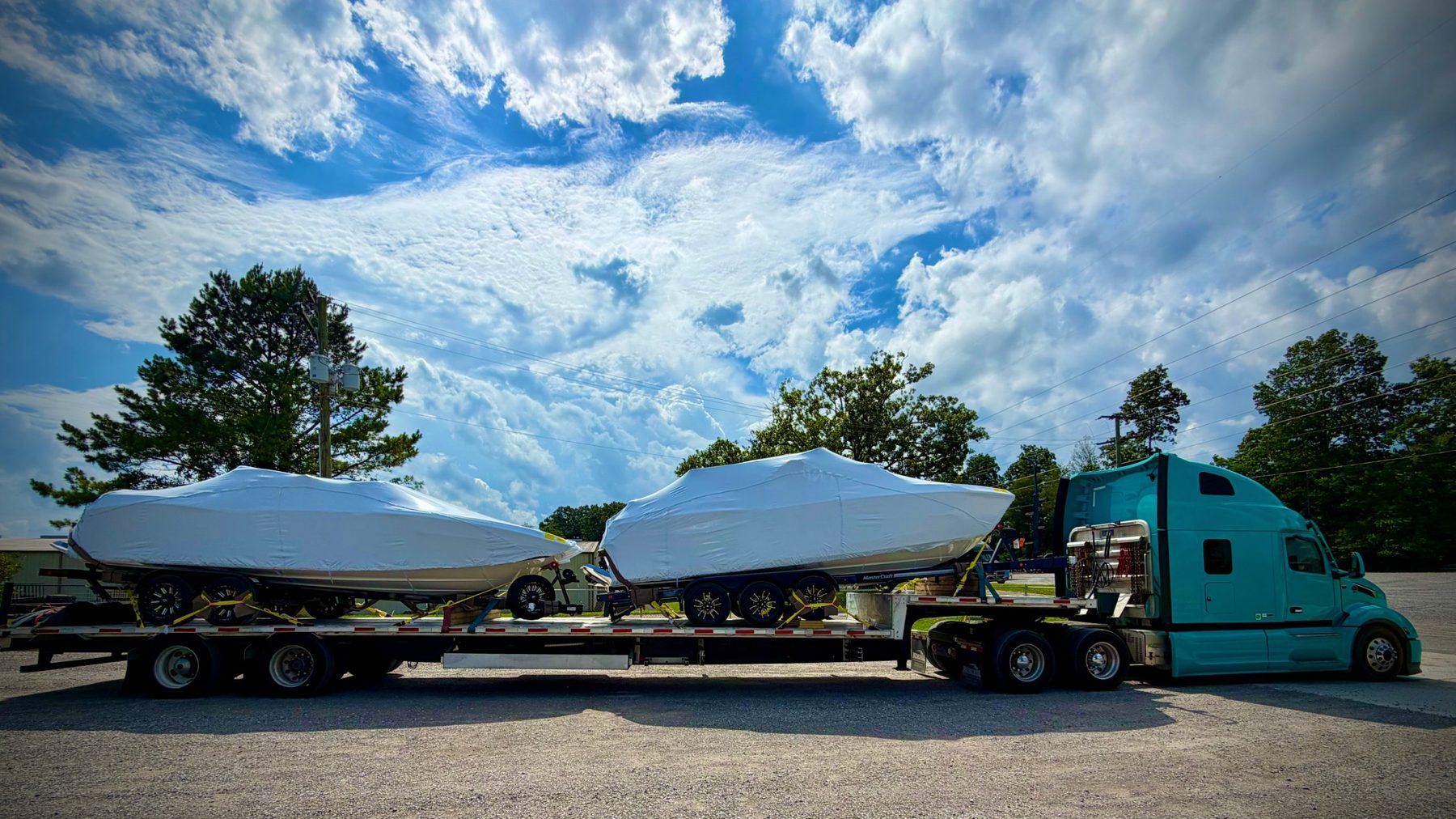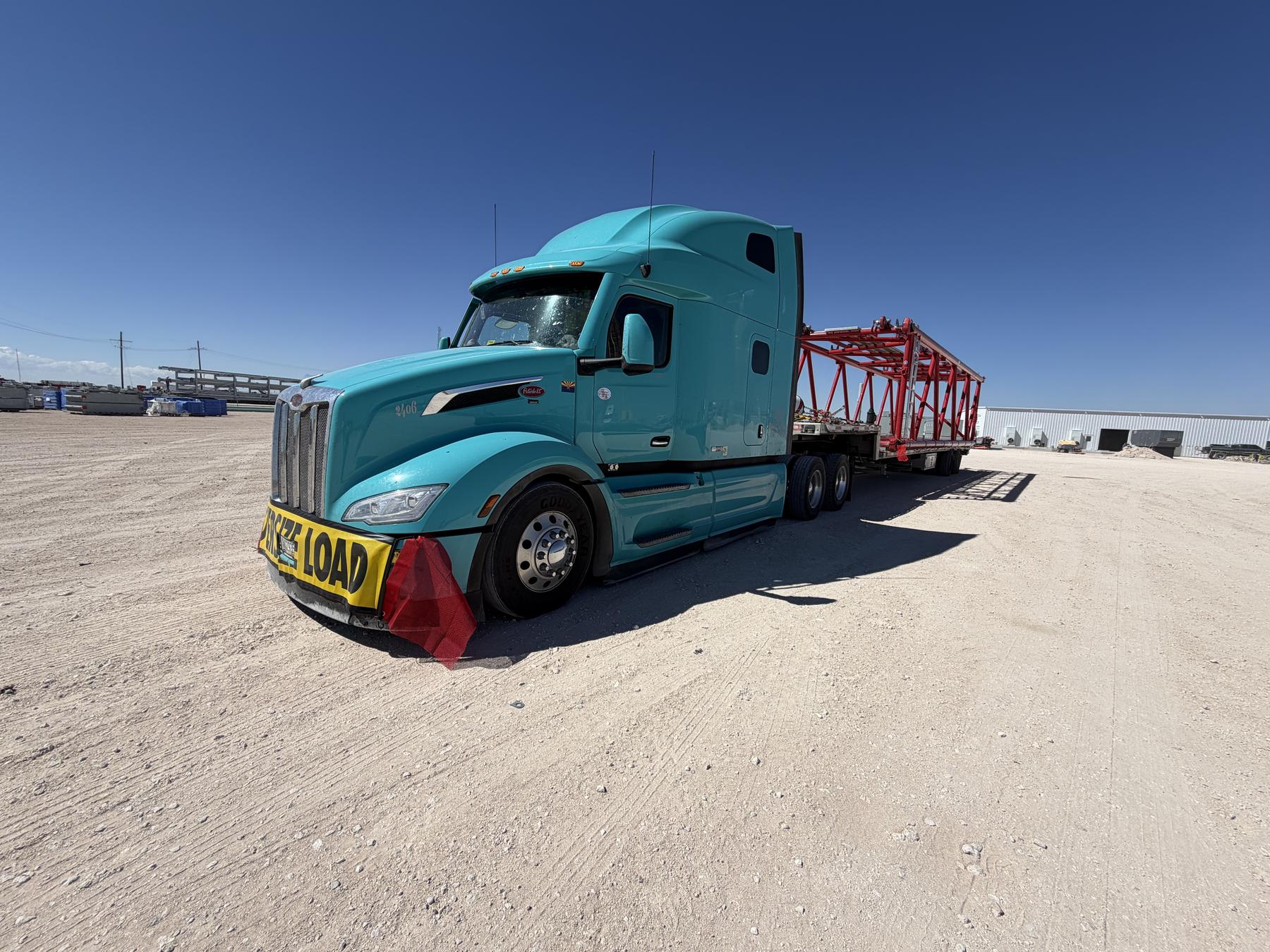
When a load is wider, taller, longer or heavier than the road allows, it can still move. It just needs permission from every state it crosses, and that permission comes with conditions.
What a permit is
An oversize or overweight permit is a document issued by a state’s department of transportation. It approves one load, on one truck, along one specific route, during a specific window of days. If any of those change, the permit usually has to change too.
That’s the part that surprises most shippers. A permit isn’t a license for the truck. It’s approval for this exact trip.
Where “legal” ends
Below these numbers, a load is “legal” and moves without a permit. These are general figures; some states allow more, and a few routes allow less.
| Measure | Common legal limit | What sets it |
|---|---|---|
| Width | 8 ft 6 in | Federal standard on most highways |
| Height | 13 ft 6 in to 14 ft | Varies by state |
| Gross weight | 80,000 lb | Federal limit on interstates |
| Length | Varies | Set by each state |
Height includes the trailer deck. A 10-foot machine on a standard flatbed is already over; the same machine on a step deck may not be.
One permit per state
There’s no single national permit. A load from Arizona to Texas through New Mexico needs three, each with its own rules, fees and processing time. Each state reviews the route for low bridges, weight-rated roads and construction zones before it approves it.
Escorts, signs and travel hours
The permit lists what the trip requires. Depending on the size of the load and the state, that can include:
- “Oversize load” banners on the truck and red or orange flags at the corners of the freight.
- One or more escort vehicles, also called pilot cars, ahead of or behind the truck.
- Travel only during daylight, and often not on weekends or holidays.
- A police escort for the widest loads or for specific cities.
Travel-hour limits matter more than miles. A route that takes two days for a legal load can take three or four for an oversize one.
What changes the price
State fees are only part of the cost. The rate for an oversize load also reflects escort vehicles, the slower schedule, and the extra time to plan and secure the freight. The biggest factors are:
- How far over the limits the load is, especially width.
- How many states the route crosses.
- Whether escorts are required, and how many.
- How flexible the delivery date is.
What we need from you
To start a permit, we need the exact dimensions and weight of the freight, the pickup and delivery addresses, and the dates you’re working with. A photo or drawing of the load helps us pick the right trailer, and sometimes the right trailer means no permit at all.
Not sure if your load is oversize? Send us the numbers through the quote form or call dispatch. We’ll tell you on the first call.