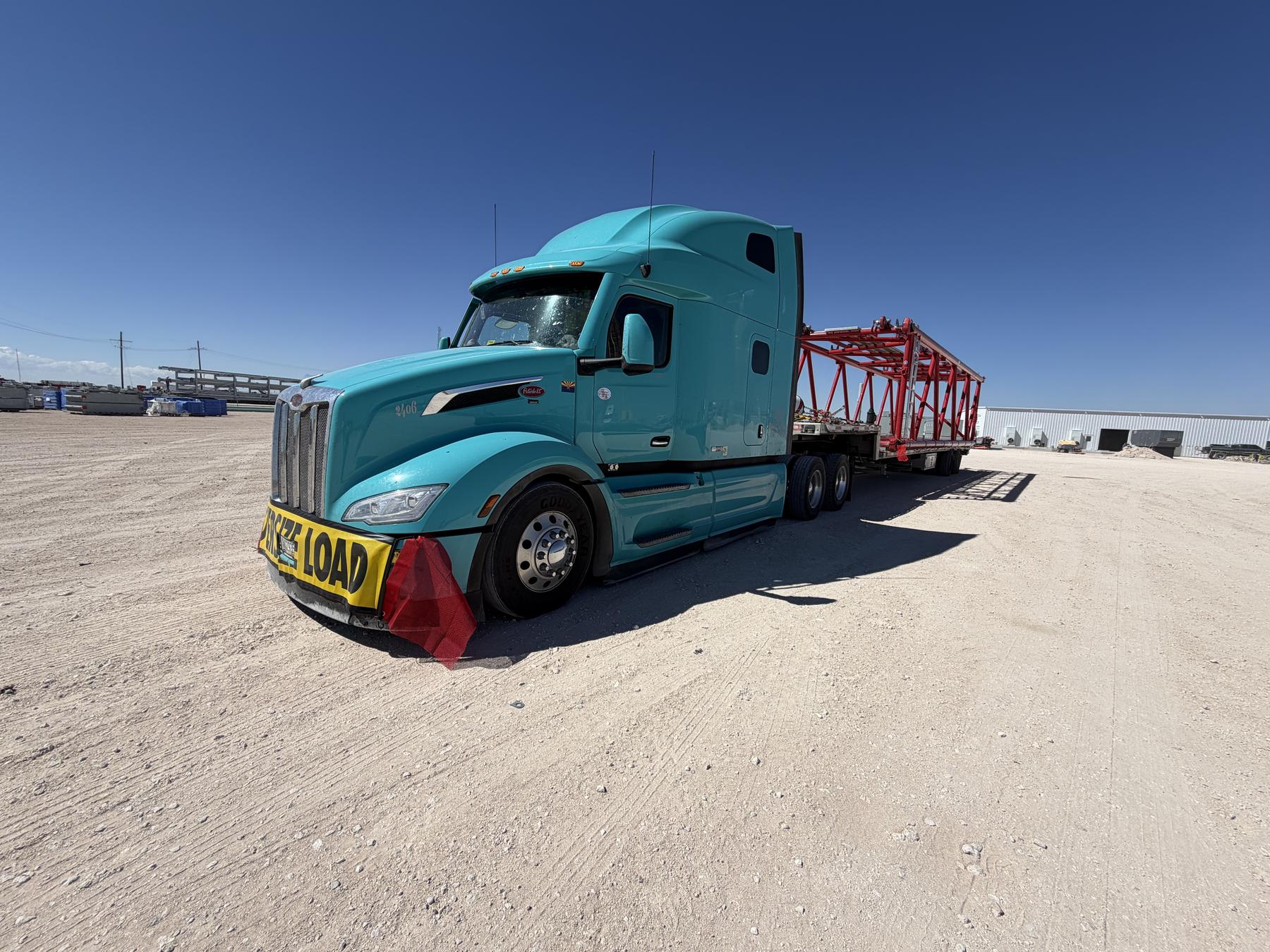
A load that pays very well can turn into a costly problem. You drive 1,500 miles, deliver on time, send the proof of delivery (POD), and then the broker stops answering. You still have to pay for fuel, tires, time and every other cost.
This risk is bigger for new carriers. A high rate can be hard to turn down. But be careful if the broker rushes you, the company information does not match, the payment details suddenly change, or the email address looks wrong. These may be signs of a fake broker, double brokering or a payment problem.
A fake broker pretends to be a real brokerage, often using another company’s name or MC number, so a carrier hauls a load that will never be paid. Double brokering happens when someone who agreed to haul a load hands it to another carrier without permission. The carrier who actually moves the freight is often the one left without pay.
The good news is that a few simple checks can lower your risk before your truck moves. Brokers check your company, and you have the right to check theirs too.
This guide shows you how to check a broker, spot warning signs, keep good records, handle rate changes and prepare for unpaid bills. The goal is simple: protect your money, your paperwork and your new business.
Before you take a load, slow down
- The rate is much higher than normal.
- The broker pushes you to sign fast.
- The payment instructions change.
- The email address does not match the company.
- The rate confirmation does not match public records.
One red flag may not mean fraud. Several red flags are a good reason to stop and check everything.
Did a broker scam you?
Do not feel ashamed. No one chooses to work with a scammer, and mistakes happen when you are learning how to run a business.
What matters is learning what happened, keeping it from happening again and warning other carriers. There are honest and dishonest people in this business, and it is not always easy to tell them apart. You are not the first carrier this has happened to, and you won’t be the last.
If your MC number is new
Both good and bad brokers may want to work with carriers that have a new MC number. A good broker may use a new carrier to cover a load at a fair price. A bad broker may target a new carrier because the carrier needs work and may accept a load too quickly.
A new MC number does not mean a carrier is bad, and an old MC number does not mean a company is safe. If you are new, take extra time to check who you are working with. Do not let a high rate make you ignore red flags.
Think about using a factoring company
A factoring company pays you for the load before the broker pays them. In return, it keeps a percentage of the invoice. The exact rules depend on your agreement.
A factoring company will also tell you which brokers it will work with and which it won’t. If it refuses a specific broker, there is usually a good reason: bad credit, slow payments or other problems. That does not always mean the broker is a scammer, but you should check before taking the load. Factoring companies are a great tool for spotting scammers.
Coming soon: a separate post about factoring companies.
Check the broker
Many brokers start the conversation with one question: “What is your MC number?” They use it to check how long you have been in business, your inspection history and other public records. Some also use paid websites to read about your company. They do all of this before deciding to work with you.
You can do the same. Before calling a broker, look up the broker’s MC number and company in the Federal Motor Carrier Safety Administration (FMCSA) records. Do not trust only a Google search. Check these items:
- Broker authority: make sure the broker is allowed to operate.
- Bond or trust fund: check the broker’s financial security. FMCSA requires $75,000.
- Company information: make sure the legal name, ID numbers, email address and rate confirmation all match.
- Payment history: look for payment reports and references. One bad review does not always mean fraud.
- Time in business: use the age of the broker’s authority as one clue, not your only reason to accept or turn down a load. Brokers do the same with you: some won’t work with an MC that is less than 3, 6 or 12 months old, and some ask for 2 years. You can set your own rule too.
You can start with these official sources:
A new broker is not always a bad broker, and an older broker is not always a good one. How long the company has been open is only one thing to check. Both sides should feel safe doing business together, and you can set your rules before you commit your truck, time and money.
Make your own broker list
After each load, decide whether you would work with that broker again and put it on a Good or a Bad list. For a good experience, write down what went well: clear instructions, good communication, respectful treatment. For a bad one, write down what went wrong and be clear about whether it was poor service or possible fraud.
Brokers evaluate carriers and keep their own records, and there is nothing wrong with doing the same. Before booking a load, check your list to see whether you have worked with that broker before and what happened. In this industry, a year passes fast enough to forget. Do not repeat bad brokers.
You do not have to work with every broker. Set your own rules and choose who you trust with your business.
Know who to call about unpaid bills
Keep the contact information for a freight collection company. If something feels wrong, do not ignore it. Sometimes the warning signs start before you know there is a payment problem, so save your proof and ask for help early. Do not wait for months before looking into what happened to your money.
If the broker stops answering, save the rate confirmation, POD, invoices, emails and all other proof from the load, and ask a freight collection company what you can do next. A collection expert can review what happened and explain your next steps.
Use email and save every message
Put important information in email, and keep replying in the same thread so the full conversation stays together. That is evidence. An email shows what each person said, and it is better proof than trying to remember a phone call.
If the broker gives you important instructions by phone, send an email to confirm them. If the rate, delivery address, payment instructions or load details change, ask for the change in writing. Save the messages. You may need them if there is a problem.
Take photos at pickup and delivery
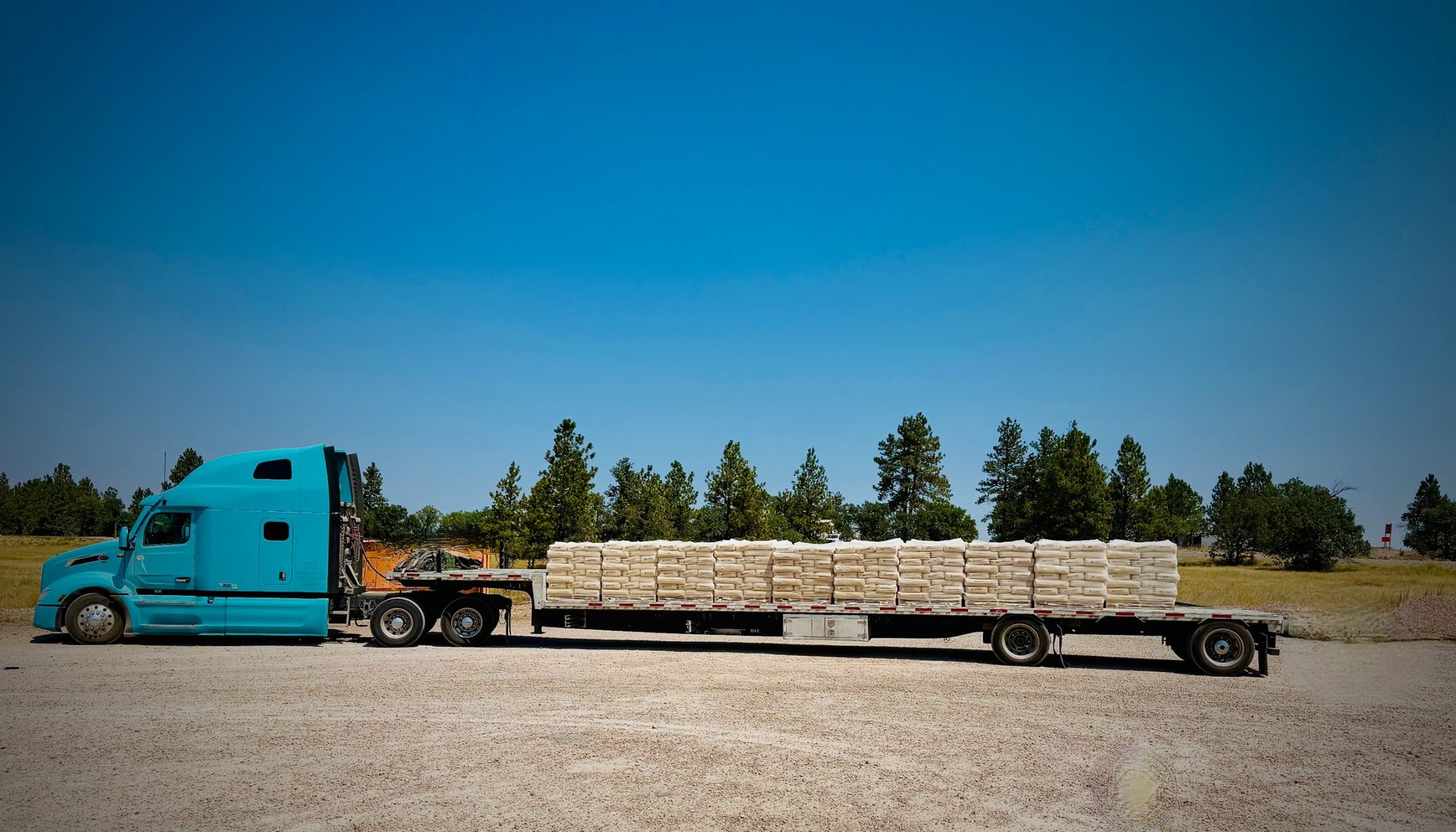
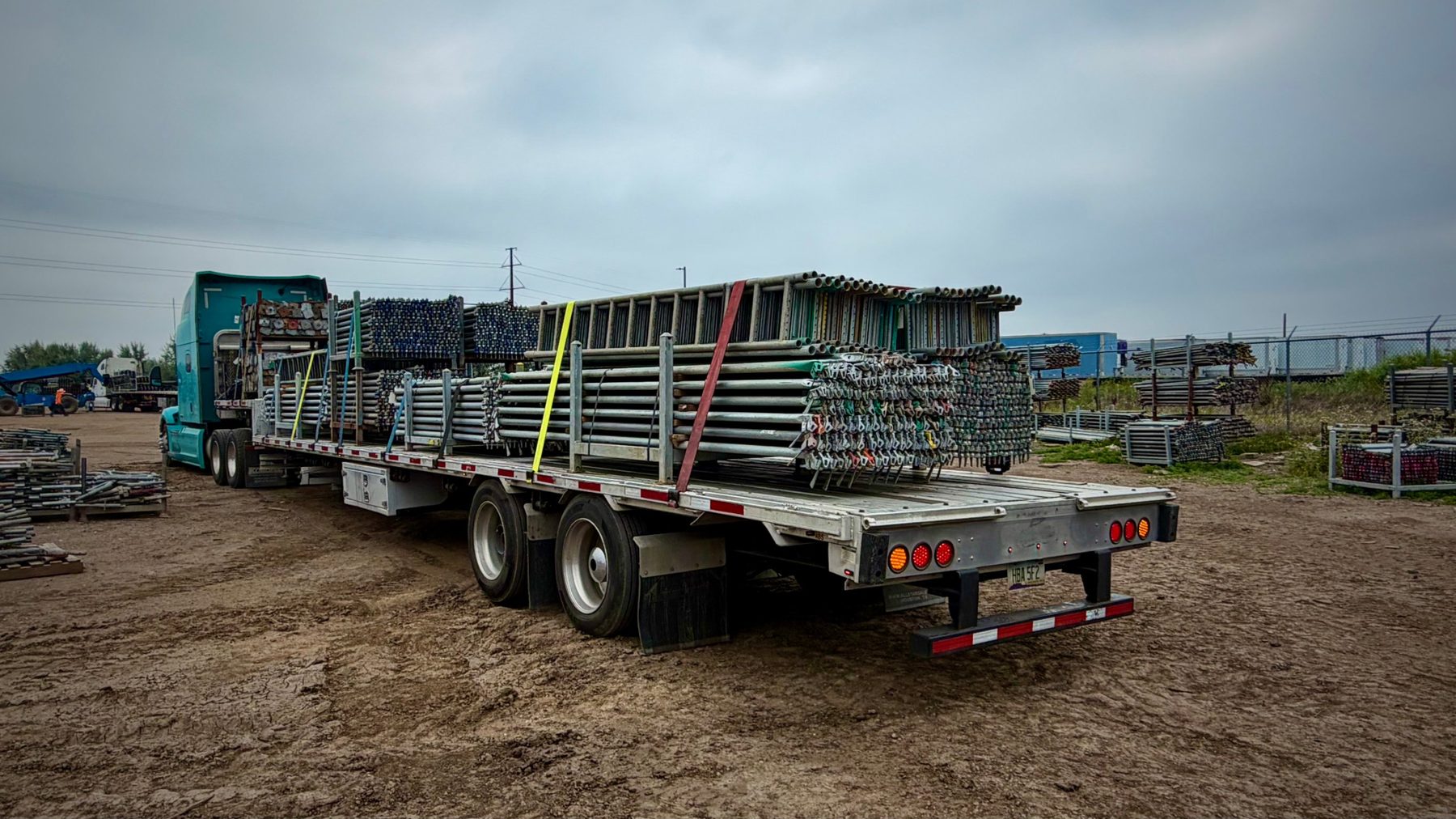
Take photos of the freight at both the pickup and the delivery location. Try to include signs, buildings, the facility, nearby materials or other details that show where the truck was. Keep the original photos and all pickup and delivery papers. These details can help if there is a problem later.
The photos should show more than the freight. They should help prove where the load went.
Get a new rate confirmation if the pay changes
If the rate changes, stop and ask for a new rate confirmation before you keep working under the new deal. Do not depend on a spoken promise. Make sure the new paper shows the correct load, the new rate and all other terms.
If the rate changes after the trip starts, get the change in writing and save the new rate confirmation. If you do not receive it, ask the broker to fix the paperwork before you continue, when it is safe and practical to do so.
Your job is to move freight. Your job is also to protect the business that keeps your truck moving.
In the military I learned: if it smells bad, tastes bad, looks bad, sounds bad, seems bad or feels bad, the deal is very likely bad. Walk away.